Curious about time
Movement Categories
A watch movement, also known as a caliber, is the internal mechanism that powers the watch and drives its functions.
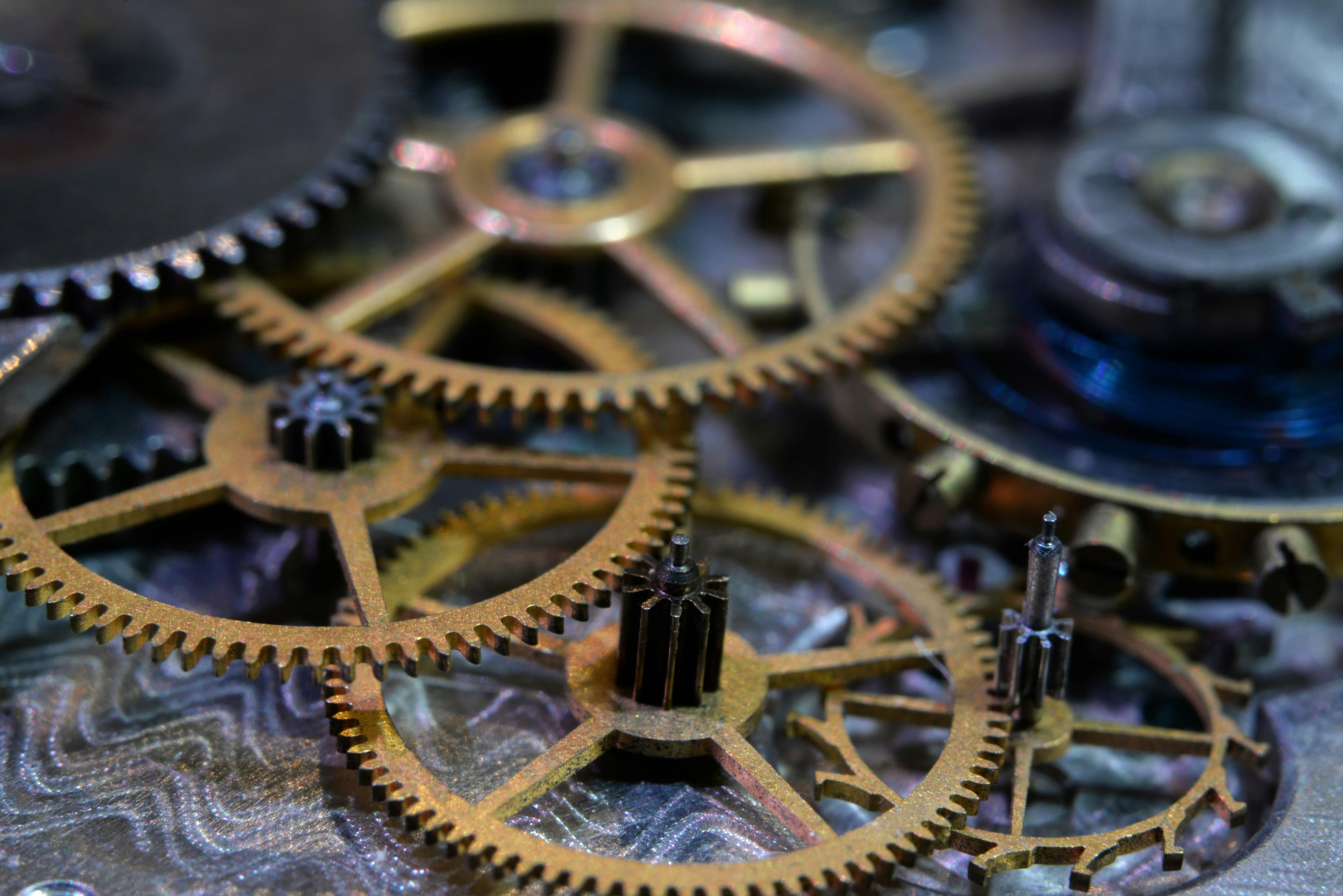
Movement is essentially the engine of a watch, responsible for keeping time accurately and executing additional functions.
- Determines accuracy (Quartz is more accurate than mechanical).
- Affects maintenance (Mechanical requires servicing; quartz needs battery changes).
- Impacts watch price and craftsmanship (Luxury watches often use mechanical movements).
Watch accuracy is crucial for practicality, reliability, and prestige. Whether for daily use, professional applications, or collecting, a precise timepiece ensures you can always trust the time displayed on your wrist.
These are the three fundamental categories of watch movements: mechanical, quartz, hybrid.
1. Mechanical Movements
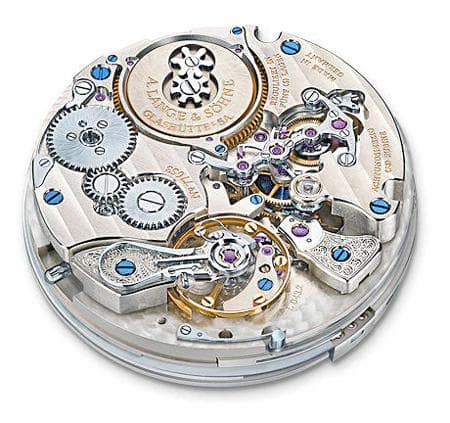
It is powered by a wound mainspring that releases energy gradually to power the watch.
- The mainspring is wound either manually by turning the crown or automatically by wrist movement.
- The gear train transmits energy from the mainspring to various movement parts.
- The escapement controls energy release to ensure consistent ticking.
- The balance wheel swings back and forth, maintaining time accurately.
- The hands move in a smooth, sweeping motion (unlike a ticking second hand) quartz).
Pros:
- Traditional craftsmanship, highly valued in luxury watches.
- No battery required.
- Smooth second-hand motion.
Cons:
- Requires regular winding or movement.
- Less accurate than quartz watches.
- Needs servicing every 3-5 years.
2. Quartz Movements
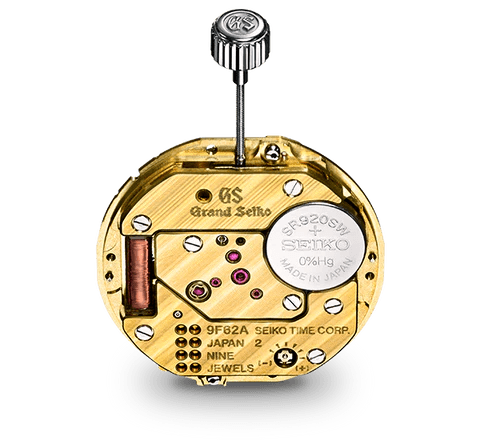
It is powered by a battery and controlled by a quartz crystal for precision.
- A battery transmits an electric charge to a quartz crystal, causing it to vibrate exactly at 32,768 Hz.
- The circuit detects these vibrations and converts them into a single electrical pulse per second.
- The motor moves the hands with a soft ticking sound, making movements.
Pros:
- Extremely accurate (better than mechanical).
- Low maintenance (battery replacement every 2-5 years).
- More affordable than mechanical watches.
Cons:
- Lacks craftsmanship appeal of mechanical watches.
- Ticking second-hand motion instead of a smooth sweep.
- Battery-powered (except solar/kinetic models).
3. Hybrid Movements (Mechanical + Quartz)
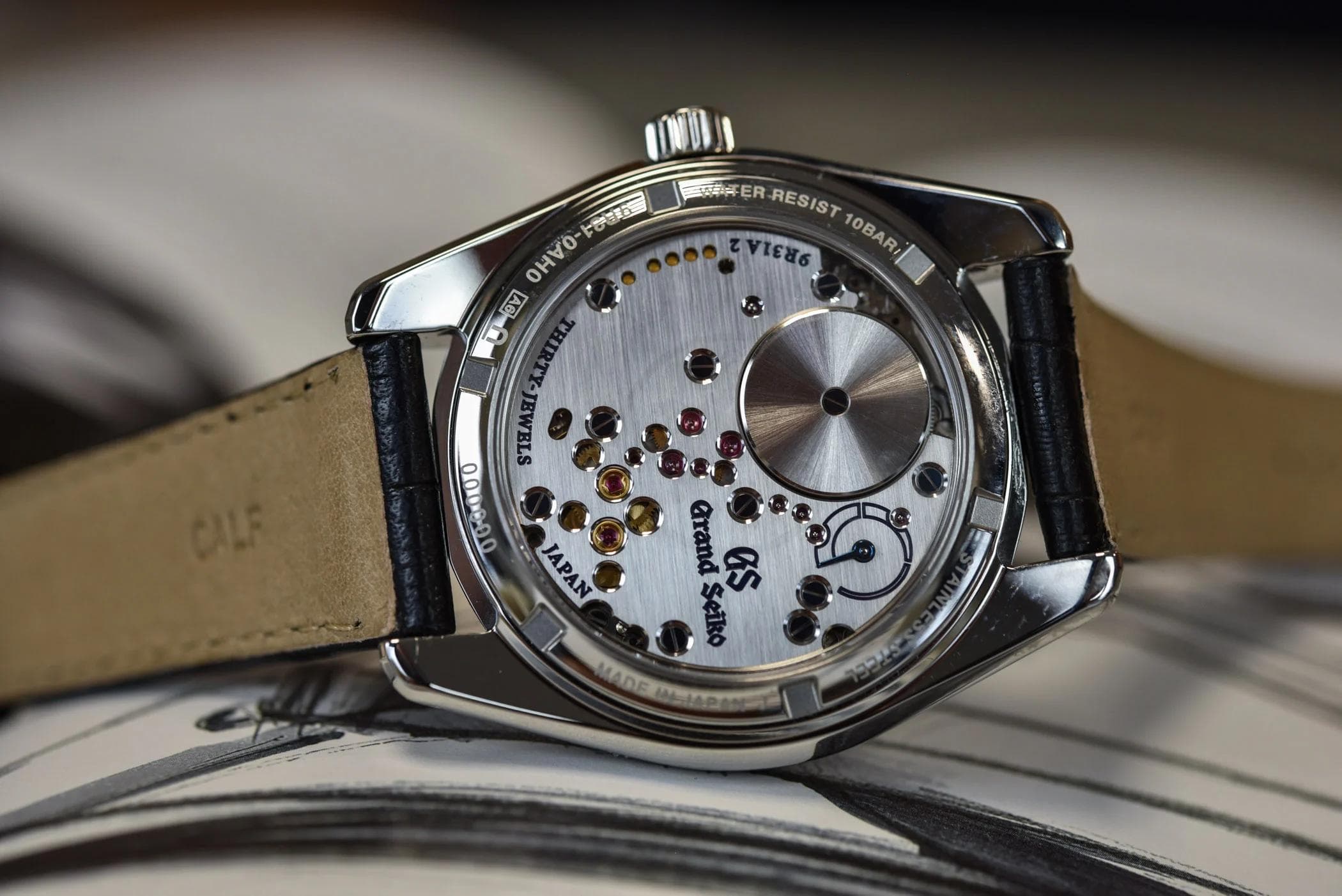
It combines mechanical energy with electronic regulation for better accuracy and performance.
- Movement utilizes a mainspring (similar to a mechanical watch) but substitutes the balance wheel with an electronic component regulator.
- The regulator offers ultra-precise timekeeping without a battery (except in kinetic/solar) versions.
Pros:
- Superior accuracy compared to standard mechanical movements.
- No battery needed (for Spring Drive).
- Smoother second-hand motion than quartz.
Cons:
- More expensive than standard quartz.
- Limited to a few brands (mainly Seiko/Grand Seiko).
Which One Should You Choose?
- If you want traditional craftsmanship, go for mechanical.
- If you want accuracy and low maintenance, choose quartz.
- If you want the best of both worlds, hybrid movements like Spring Drive are an excellent option.

🔎 Want to explore more? Check out our Interactive Watch Finder to discover the perfect watch for you!
More topics
Explore other watch categories
Power source
Watch Mechanisms
Explore mechanical, automatic, and quartz movements that power timepieces.
Function
Features & Complications
Learn about chronographs, calendars, and the extra functions that change how a watch behaves.
Build
Materials & Finishes
Discover the metals, ceramics, crystals, and surface treatments that shape feel and durability.
Practicality
Water Resistance
Understand what those meters really mean before your watch gets anywhere near a pool.
Wearability
Occasion & Style
Find the watch language that fits formal wear, sport use, and your personal taste.
Vocabulary
Glossary
Master the essential horology vocabulary without needing a second tab open.