March 18, 2026
The Microbrand Revolution: Small Watchmakers Changing the Market
Explore how microbrand watches are redefining the industry with innovative designs and competitive pricing, reshaping consumer choices and traditional norms.

Introduction to Microbrand Watches
In the ever-evolving world of horology, microbrands have emerged as a significant force, redefining what it means to own a watch today. These small, independent watchmakers are challenging traditional industry norms by offering innovative designs, competitive pricing, and a strong sense of community among collectors. The microbrand revolution is not just reshaping consumer choices; it is also encouraging larger brands to rethink their strategies in an increasingly saturated market.
Defining Microbrands
Microbrands are typically defined as small-scale watch companies that operate with limited production runs, often focusing on niche markets or specific design philosophies. Unlike major luxury brands, microbrands can range significantly in terms of aesthetics, functionality, and price points. They often rely on direct-to-consumer sales models, utilizing minimal marketing budgets to engage with customers directly.
Historical Context
The microbrand phenomenon gained momentum in the early 2010s, driven largely by e-commerce platforms like Kickstarter. This crowdfunding approach enabled budding watchmakers to test ideas without significant financial risk. Early successful campaigns, such as the Danish brand Frederique Constant and the American brand MVMT, set the stage for a wave of emerging watchmakers who sought to provide high-quality pieces at accessible prices.

The Rise of Microbrands
Factors Contributing to Popularity
Several factors contribute to the meteoric rise of microbrands in the watch industry. Firstly, the accessibility of crowdfunding platforms has allowed aspiring watchmakers to secure funding without a massive upfront investment.
Secondly, consumers are increasingly drawn to the unique stories behind these brands, which often celebrate craftsmanship and individualism rather than mass production.
Shift in Consumer Preferences
Today's consumers are shifting their preferences, seeking authenticity and individuality in their purchases. As a result, many have turned away from traditional luxury watchmakers that offer generic designs and excessive pricing. Microbrands fill this gap by providing unique aesthetic styles and limited editions, appealing to a younger demographic that values experience and personal connection over high-end status symbols.
The Role of Social Media
Social media has been a catalyst for the microbrand movement. Platforms like Instagram and TikTok facilitate connections between brands and consumers, allowing followers to engage in the watchmaking process. Brands can easily showcase their designs, garner feedback, and create a sense of belonging among enthusiasts. Hashtags like #microbrandwatch have fostered communities, where collectors share their latest acquisitions and build camaraderie.
Unique Designs and Innovations
Distinctive Aesthetics
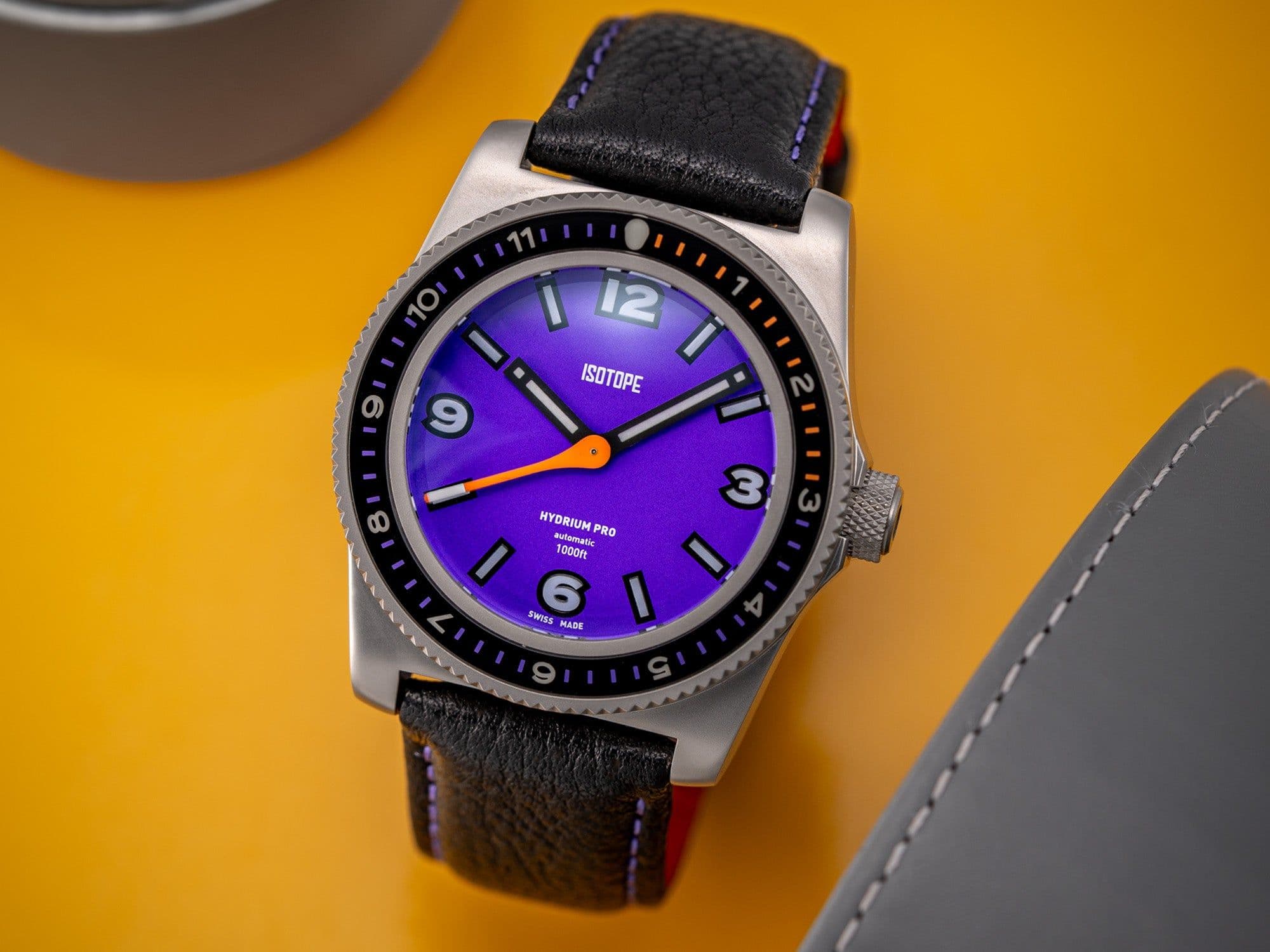
Microbrands are distinguished by their unique aesthetics that set them apart from the homogeneous designs often seen in mass-produced watches. For example, the Baltic Aquascaphe, released in 2021, features a vintage-inspired dive watch look, complete with a stunning gradient dial and ceramic bezel.
Each piece tells a story, often influenced by the founder's passion or experiences, making them not just timepieces but wearable art.
Limited Editions and Customization
Many microbrands excel in offering limited-edition pieces, which heighten their allure among collectors. For instance, the brand Seiko has collaborated with microbrand Oriwatch to create limited runs that are highly coveted. These exclusive offerings often sell out quickly, creating a buzz that keeps the community engaged.
Moreover, some brands allow for customization, offering options for strap materials or unique colorways tailored to consumer preferences, further enhancing the sense of personal ownership.
Technological Advancements
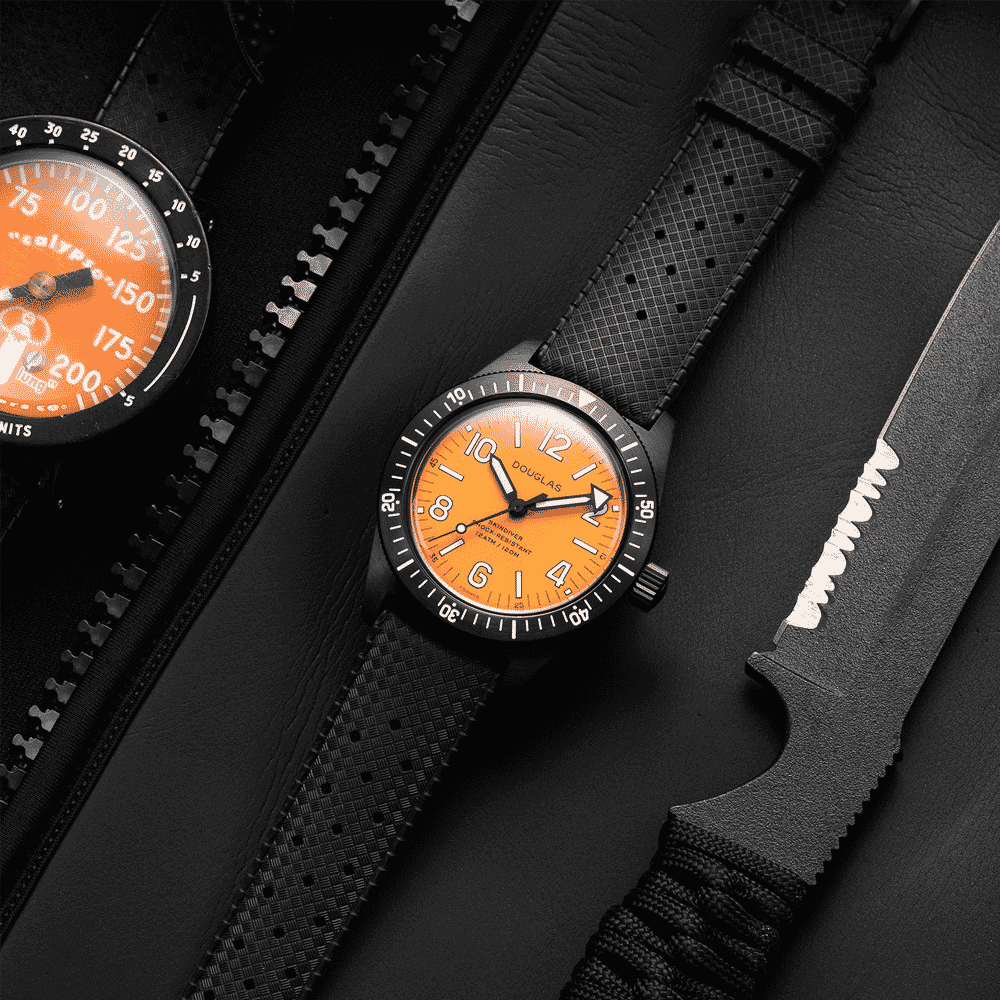
Microbrands are also at the forefront of technological innovations, employing modern manufacturing techniques to produce high-quality watches. The use of CAD software and CNC machines allows for precision in design, which was once reserved for larger firms with expansive budgets. For example, the Nomos Glashütte Tangente model, crafted in Germany, incorporates in-house movements while remaining competitively priced, showcasing how microbrands can push the boundaries of watchmaking technology.
Affordability and Value Proposition
Pricing Strategies
One of the most appealing aspects of microbrands is their pricing strategy. Many offer solid, well-made timepieces at prices that challenge established luxury brands. While a typical Swiss-made watch might start from $1,000 and go into the tens of thousands, microbrands like Halios and Undone often sell their watches for under $500.
Cost Comparison with Established Brands
When comparing the cost structures of microbrands to established watchmakers, it becomes clear that microbrands capitalize on direct-to-consumer methods with minimal marketing overhead. For example, the MVMT Chrono, priced around $120, offers a stylish, minimalist design that competes well against a similar luxury watch, which might retail for $600 to $800 under larger brands like TAG Heuer.
Perceived Value among Consumers
Consumers increasingly recognize the value proposition offered by microbrands, emphasizing quality and design over brand prestige. According to a 2022 survey, over 60% of watch enthusiasts aged 18-35 stated they preferred shopping microbrands due to their distinctive designs and affordability, highlighting a generational shift in purchasing behaviors.
Appeal to Collectors and Enthusiasts
Community Engagement
Microbrands tend to foster strong community engagement, resulting in a tight-knit circle of collectors and fans. Many brands actively participate in forums, social media discussions, and watch events, empowering customers to feel connected to both the product and the community.
Brand Loyalty and Connection
The direct relationship between microbrands and their consumers enhances brand loyalty. Many customers feel a personal connection with the founders, who often share their design inspirations and stories. Brands like Farer and Rado have successfully cultivated this narrative, making consumers more likely to return for future purchases.
Collectibility of Microbrand Watches
As the market matures, the collectibility of microbrand watches is becoming more pronounced. With their limited production runs and unique designs, many microbrand pieces are seen as collectibles. For example, the brand Autodromo has cult-like status among car enthusiasts for its racing-inspired designs, with certain models, like the Group B, often fetching prices more than double their original retail on secondary markets.
Spotlight on Emerging Microbrands
Brand Profiles
Brand 1: Baltic
Founded in France in 2014, Baltic focuses on vintage aesthetics inspired by mid-century designs. Their offerings, such as the Baltic Aquascaphe, feature exquisite craftsmanship and attention to detail.
Brand 2: Seiko
While primarily recognized as a mainstream manufacturer, their microbrand lines cater specifically to niche collectors, offering distinct designs like the Seiko 5 series, which has garnered a dedicated following.
Brand 3: Halios
Halios is a microbrand known for its dive watches. Their model, the Seaforth, released in 2018, has become a favorite among watch enthusiasts for its durable build and stunning color choices.
Notable Watches from Each Brand
- Baltic Aquascaphe: A vintage-inspired dive watch with a price point of around $600, featuring a 41mm stainless steel case and a Swiss automatic movement.
- Seiko 5 SNK809: Often priced under $300, this entry-level automatic watch is characterized by its rugged build and heritage design, serving as an entry point for many collectors.
- Halios Seaforth: Retailing at approximately $650, this dive watch features a 40mm case, stunning sunburst dials, and is known for its reliability underwater.
Challenges Faced by Microbrands
Market Saturation
As the microbrand market continues to expand, saturation presents a significant challenge. With an increasing number of brands vying for attention, differentiation becomes increasingly critical for new entrants.
Production and Supply Chain Issues
Microbrands often face production and supply chain challenges as they scale up. Ensuring quality while managing costs can lead to difficulties in meeting demand, as seen in cases with brands like Vero where quality control was compromised due to increased demand for their popular line.
Building a Reputation
Reputation building can also be a hurdle for microbrands. Establishing trust and credibility in a market dominated by longstanding names requires unique strategies, such as leveraging user testimonials and high-quality customer service.
Future of the Microbrand Market
Trends and Predictions
Looking ahead, microbrands will likely continue to thrive as consumer preferences evolve. The demand for personal, authentic experiences will contribute to sustained interest in unique timepieces that express individuality.
Potential for Growth
As their popularity grows, microbrands may begin to attract investment from venture capital, allowing them to upscale operations, introduce new models, and expand product lines.
Impact on Established Brands
The rise of microbrands may pressure larger watchmakers to reconsider their designs and pricing strategies. Established brands that fail to adapt risk losing market share to these innovative newcomers that blotiate community-driven values alongside quality craftsmanship.
Conclusion
Recap of Microbrand Influence
The microbrand revolution presents a significant shift in the watch industry, celebrating individuality, affordability, and innovation. Microbrands are challenging established norms while nurturing strong connections with consumers, paving the way for a more inclusive and diverse landscape.
Final Thoughts on the Future of Watch Collecting
As collectors seek unique pieces that resonate personally, the future of watch collecting looks brighter than ever due to the rise of microbrands. These timepieces not only represent craftsmanship but also embody the stories and passions of the people behind them, ensuring that the horological world will continue to evolve in exciting, unpredictable ways.
Share this piece
Send it to another watch nerd.
Keep reading
Related articles
June 12, 2026
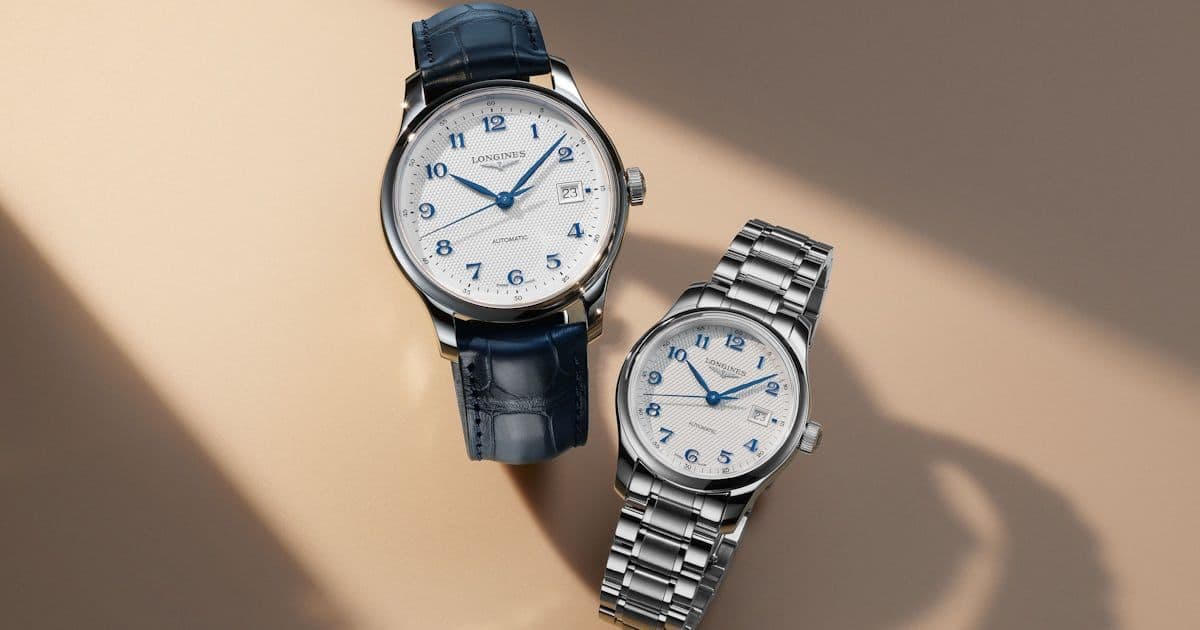
Longines' Master Collection Finally Feels Like a Complete Dress-Watch Platform Instead of a Single Safe Compromise
June 10, 2026
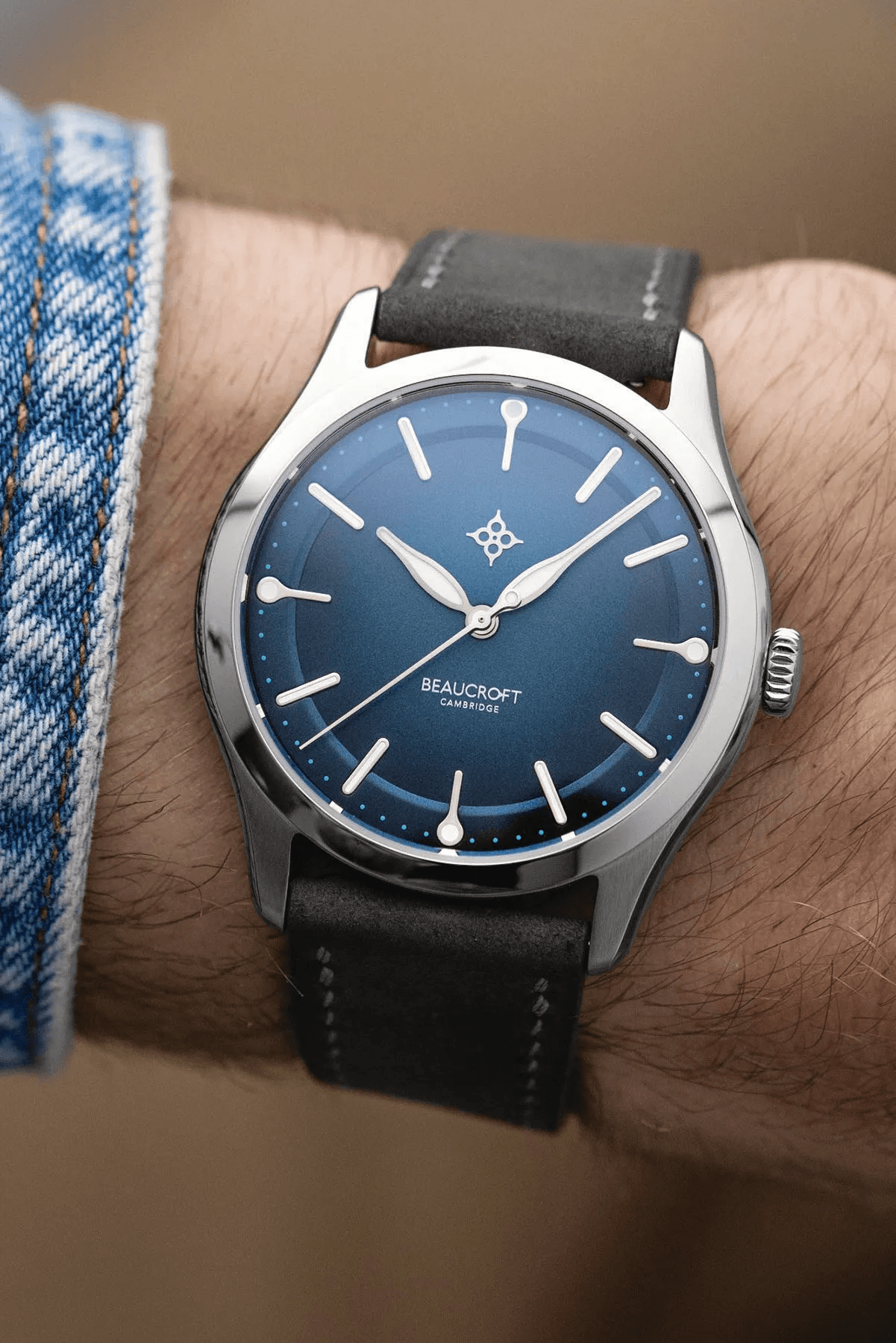
Beaucroft's The Arc Feels Like the Kind of British Independent Progress That Actually Lasts
June 5, 2026
Gallet's 2026 Relaunch Looks Smarter Than a Simple Nostalgia Dump
About the author