June 2, 2026
A Cartier Crash Record and Rising Pre-Owned Prices Suggest the Watch Market Is Healing Unevenly but Realistically
This week's market headlines matter because they show two things at once: confidence is returning to pre-owned pricing, and top-tier icons like the Cartier Crash are still living in their own air.

A Cartier Crash Record and Rising Pre-Owned Prices Suggest the Watch Market Is Healing Unevenly but Realistically
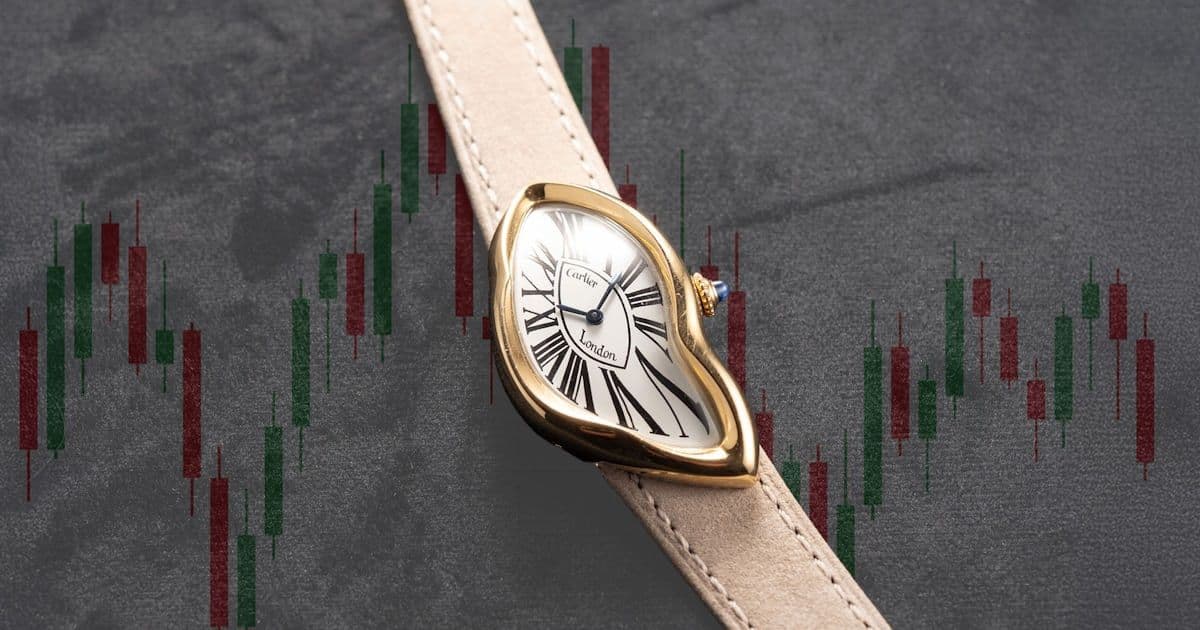
The most useful watch story of the week is not a new release. It is the growing evidence that the market is becoming easier to read again. On June 1, Hodinkee's business roundup pulled together several signals that point in the same direction: secondary-market prices have now posted gains for three straight quarters, Christie’s just set a new record for a Cartier London Crash from 1990, and major auction houses continue to invest in the less visible but increasingly important private-sales side of the business.
That combination matters because the watch market has spent the last few years trapped between two bad narratives. One claimed everything was crashing. The other claimed the correction never really happened and that serious watches would keep floating above reality. Neither version was especially useful. What the current data suggests is something more grounded. The broad market is stabilizing, but it is doing so at different speeds depending on the brand, price tier, and channel.
According to the Morgan Stanley and WatchCharts figures cited this week, pre-owned watch prices rose again in the first quarter of 2026, extending a recovery that has now lasted long enough to deserve attention. The gains were not confined to one cult brand. They spread across several major groups and a wide range of names, which is what makes the trend more credible than a single headline about Rolex or Patek strength. Breadth is what collectors should watch here. A healthy market is not one where only the safest trophy pieces move up.
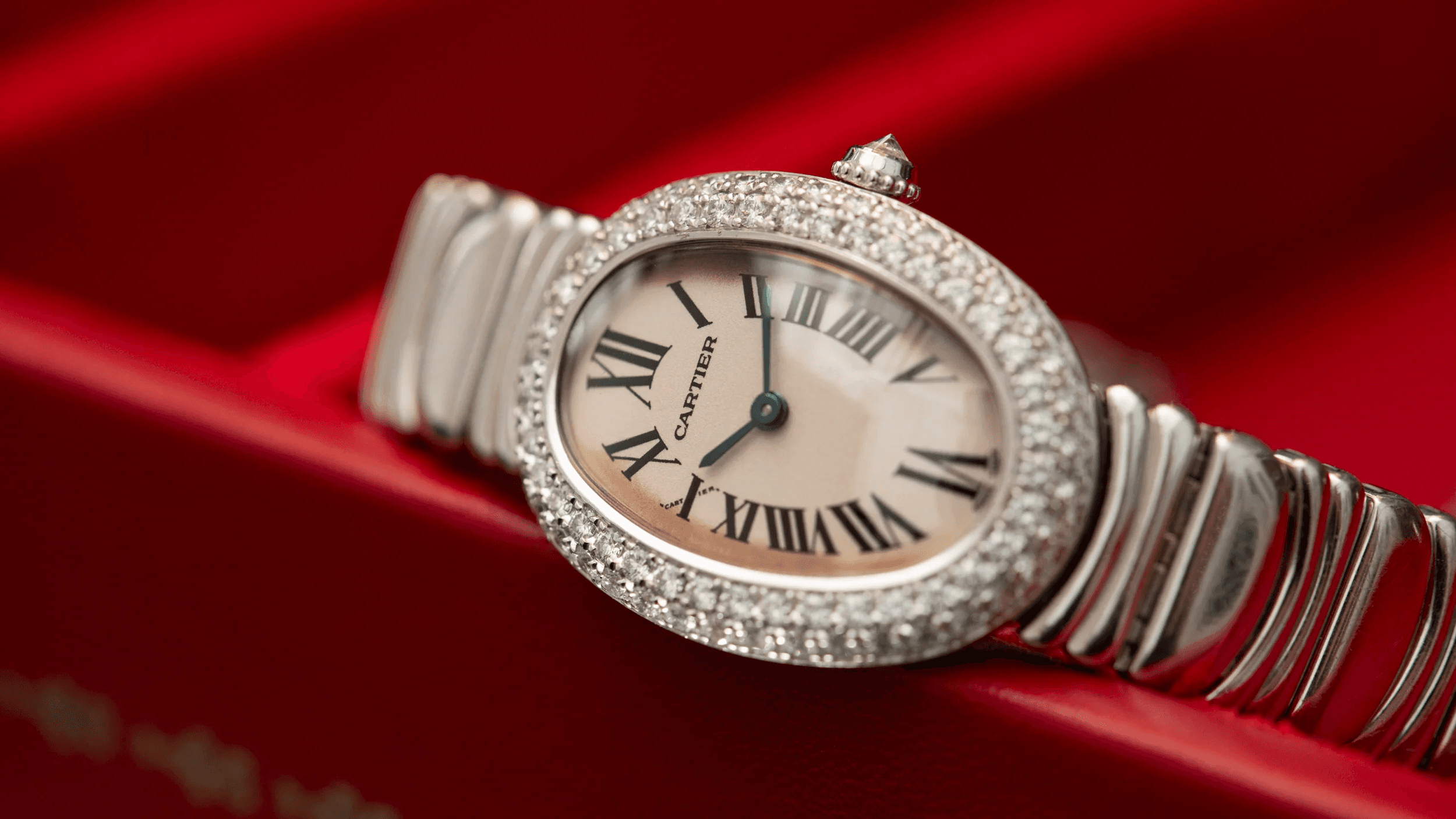
At the same time, the Cartier Crash result is a reminder that the very top of the market continues to operate by its own rules. Christie's Geneva Important Watches sale produced a new record for a 1990 Cartier London Crash at just over $2 million. That does not mean every Cartier is suddenly bulletproof, and it definitely does not mean speculative buying is back in full force across the board. What it does mean is that the best examples of culturally loaded, genuinely scarce references still command astonishing conviction when they reach the right stage.
That distinction is important. The Crash record is a symbol, not a market average. It tells us how aggressively top collectors will bid for mythic objects with proven scarcity and story. The secondary-market pricing data tells us something different: ordinary liquidity is improving. Put together, those signals paint a more realistic picture of 2026 than either doom or hype can offer. Confidence is returning, but it is returning in layers.
The James Marks move to Sotheby's fits this pattern too. Auction houses would not keep building private-sales infrastructure if they believed the only meaningful action lived in public evening sales. The opposite is probably true. More clients want discretion, better advisory support, and price discovery that does not always happen under a spotlight. That shift does not reduce the relevance of headline auction records. It explains why the ecosystem around them is becoming more sophisticated.
For collectors, the practical takeaway is that this may be a better research market than a momentum market. We are not in the phase where almost any hot steel sports watch can be flipped on a rising tide. We are in a phase where nuance matters again. Brand hierarchy still matters. Condition still matters. Provenance still matters. Story still matters. And increasingly, access to good data matters. That is a healthier environment than the one the industry was dealing with two years ago.
For brands, the message is sharper. If pre-owned prices are stabilizing while primary prices keep rising, buyers will become more demanding about what deserves fresh retail money. Watches that feel lazy, inflated, or narratively thin will have a harder time hiding behind generic scarcity. The pieces that will win are the ones that offer either real horological substance or real cultural charge. Ideally both.
So yes, this week's headlines can be read as bullish. But the better reading is that the market is normalizing. That may be less exciting than calling a new boom, yet it is more useful. A broad pre-owned recovery, a record Cartier Crash, and more institutional focus on private sales all point to the same conclusion: the watch market is working again, just not in the simple way it did when easy hype was enough.
Share this piece
Send it to another watch nerd.
Keep reading
Related articles

June 12, 2026
Makina's Cassiel II Shows a Brutalist Chronograph Can Feel Deliberate Instead of Costume-Like
June 12, 2026
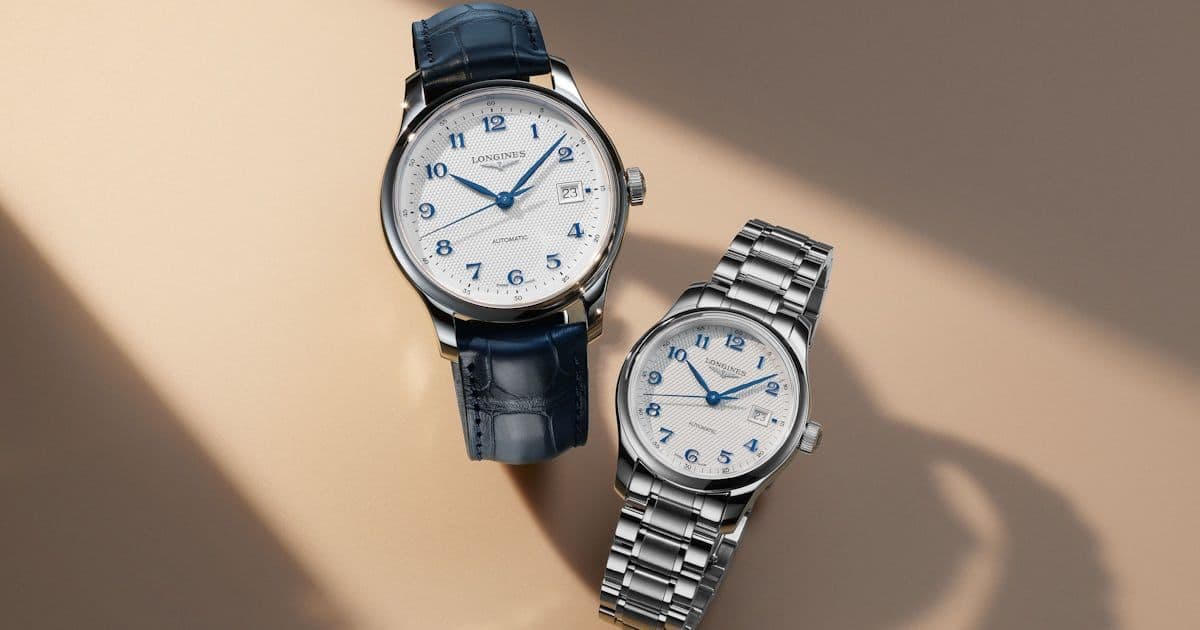
Longines' Master Collection Finally Feels Like a Complete Dress-Watch Platform Instead of a Single Safe Compromise

June 11, 2026
Blancpain's New Fifty Fathoms Tech Makes a Specialist Diver Easier to Defend
About the author