June 3, 2026
The Barrelhand Monolith Feels Like a Needed Correction to an Industry That Uses 'Tool Watch' Too Loosely
Barrelhand's Monolith matters because it treats the tool-watch label like an engineering standard instead of a mood board, and that alone makes it one of the week's most interesting launches.

The Barrelhand Monolith Feels Like a Needed Correction to an Industry That Uses 'Tool Watch' Too Loosely
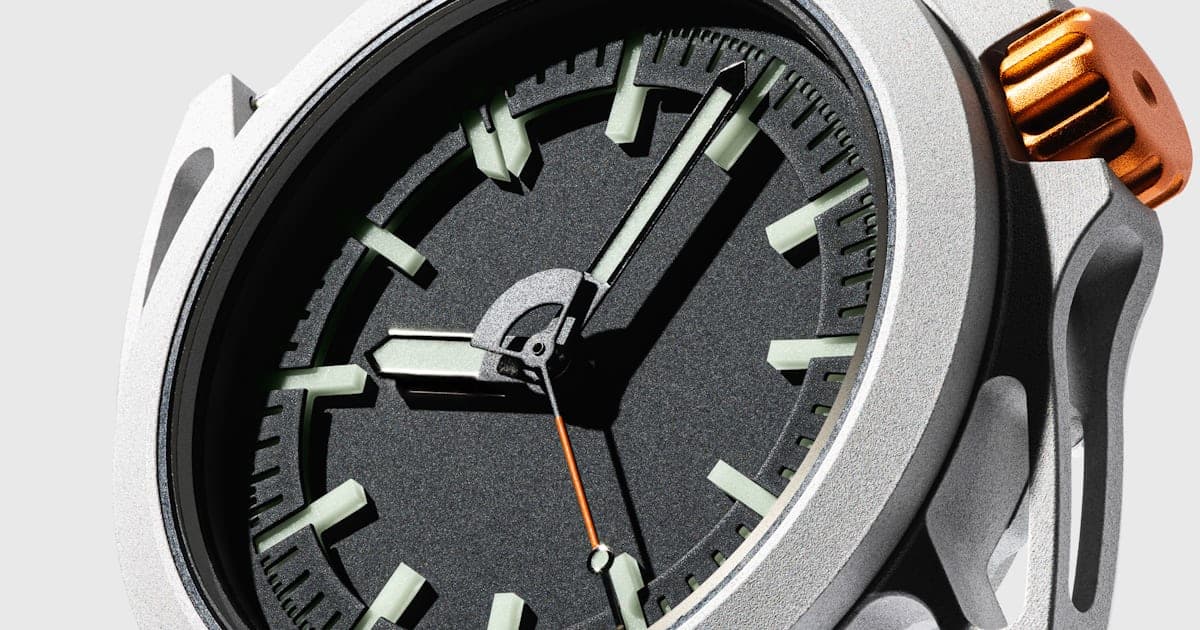
Barrelhand's May 28, 2026 launch of the Monolith is easy to dismiss if you only read the brand name and the futuristic case material. A small brand, a six-year development story, a 3D-printed Scalmalloy case, and talk of space-age testing can sound like exactly the sort of overbuilt marketing package enthusiasts have learned to approach carefully. But the more you look at the Monolith, the more it feels like a useful challenge to the modern watch industry. It asks a simple question that many brands would rather avoid: what does 'tool watch' actually mean if you test the claim seriously?
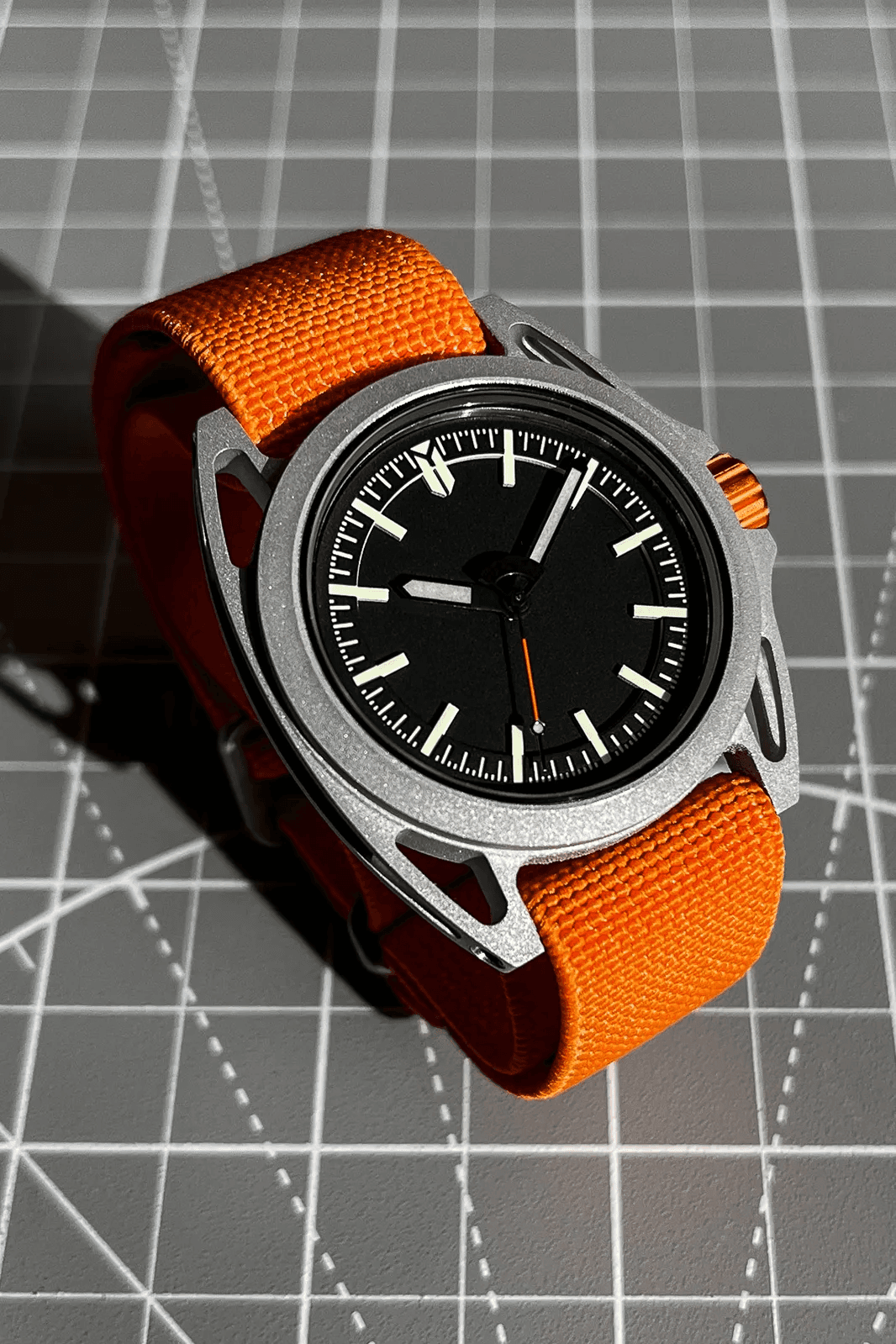
Most watches described as tool watches today are really style objects with some durable specs attached. They may have good water resistance, anti-magnetism, or a capable movement, but they are not usually being designed around a real operational brief. They are designed around the cultural memory of one. The Monolith is interesting because it tries to reverse that order. The case, movement mounting system, thermal insulation, low weight, and testing language all point to a watch that started with use conditions first and appearance second.
That does not mean every technical claim should be accepted uncritically. Barrelhand is still a small independent, and some of the watch's more dramatic aerospace associations will naturally invite scrutiny until third-party validation becomes broader and more public. But even with that caveat, the Monolith deserves attention because it is trying to push the category somewhere specific. Few brands today are willing to define a tool watch around vacuum tolerance, pressure extremes, shock behavior, and aerospace material logic. Most are content to stop at heritage symbolism.
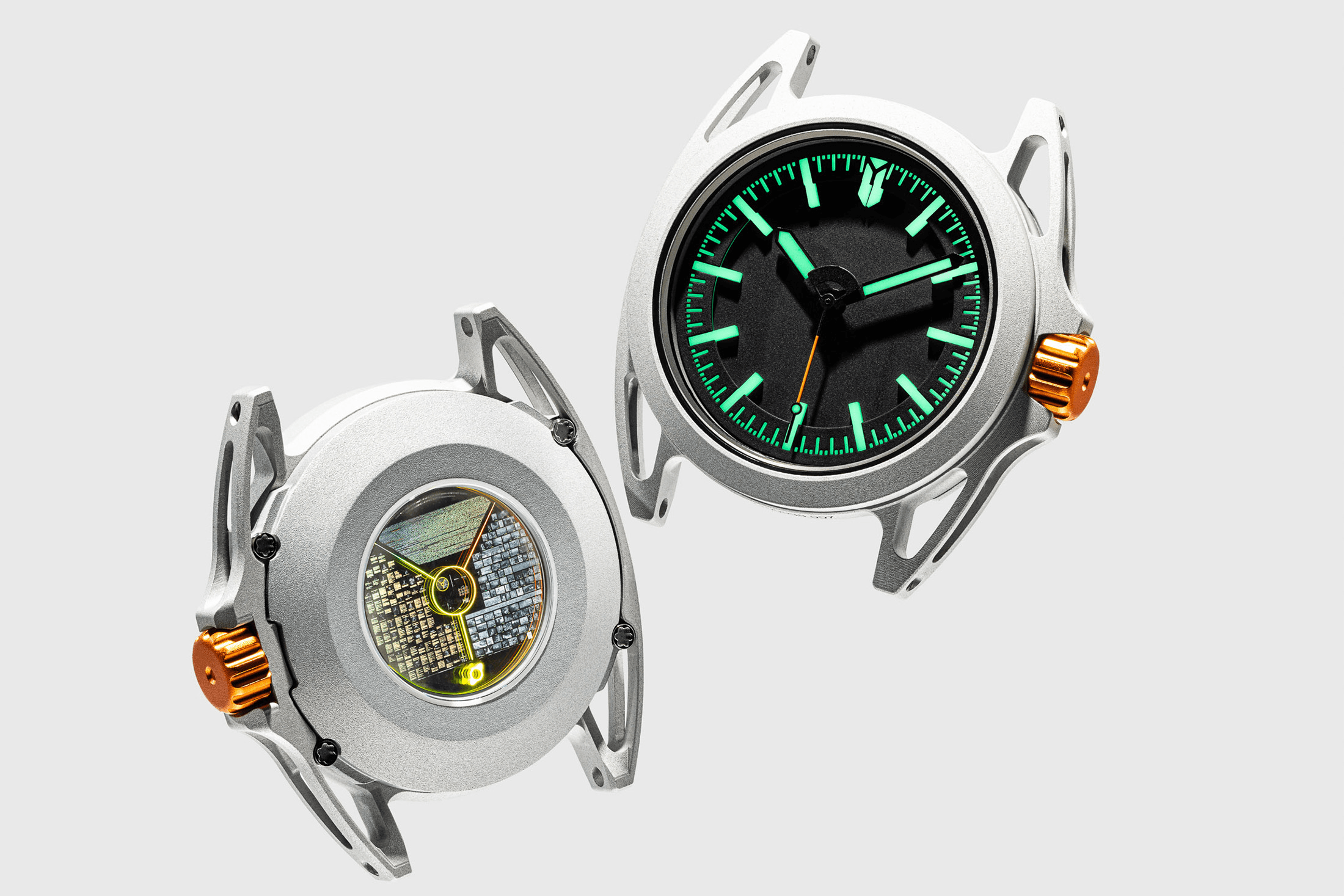
The design supports that seriousness. At 38mm by 45mm and only 11.8mm thick, the Monolith is not oversized theater. The angular chassis, recesses, and printed alloy structure make it look unlike the usual retro-field or retro-dive watch, which is part of the point. If the brand is serious about building a watch for a different performance context, it should not look trapped inside old visual formulas. The fact that it still comes in at just 31 grams without the strap makes the object more convincing. Lightness here is not a luxury flourish. It is part of the argument.
I think the Monolith also lands at the right moment culturally. Enthusiasts have spent the last few years surrounded by increasingly polished heritage product. Much of it has been good, but a lot of it has also become predictable. We know what the next vintage-inspired diver will look like before it is announced. We know how the story will be framed, what colors will be called bold, and which archive sketch will be shown in the press kit. Barrelhand is offering a break from that cycle. Even if the watch is not destined for mass appeal, it reintroduces the possibility that a tool watch can still be a forward-looking object.
There is also a broader strategic lesson for the industry here. Technical experimentation does not have to live only at the six-figure concept level. If a smaller brand can build a coherent story around aerospace-grade materials, genuine testing discipline, and a wearable format under five figures, larger brands lose one of their favorite excuses for playing it safe. The Monolith may be niche, but niche products often do the most useful cultural work by making bigger companies look complacent.
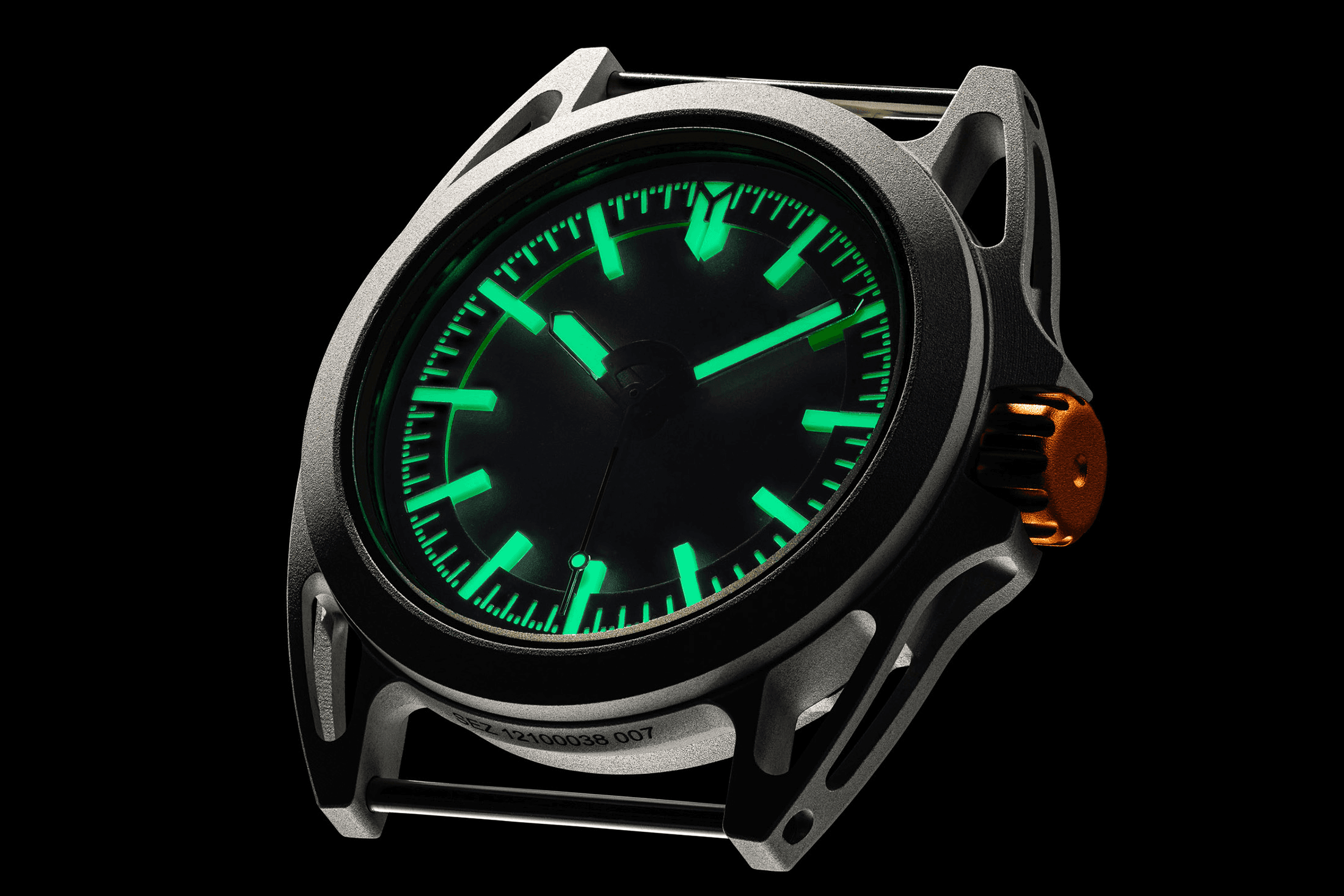
Of course, the watch will divide opinion. Some people will find the case design too severe. Others will resist the branding or question whether the rhetoric reaches beyond what a Sellita-based platform can reasonably support. Those are fair reactions. But disagreement is not a weakness here. A watch like this should polarize. The industry does not need more consensus product dressed up as adventure. It needs more attempts to define performance in a concrete way.
My takeaway is that the Monolith earns attention because it is not borrowing seriousness from the past. It is trying to build seriousness in the present. Whether Barrelhand ultimately becomes a major force is less important than the pressure this watch applies to the category around it. When a brand uses the term 'tool watch,' it should mean more than straps, lume, and nostalgia. The Monolith is a reminder that sometimes the most valuable new launch is the one that forces everyone else to sharpen their definitions.
Share this piece
Send it to another watch nerd.
Keep reading
Related articles
June 12, 2026
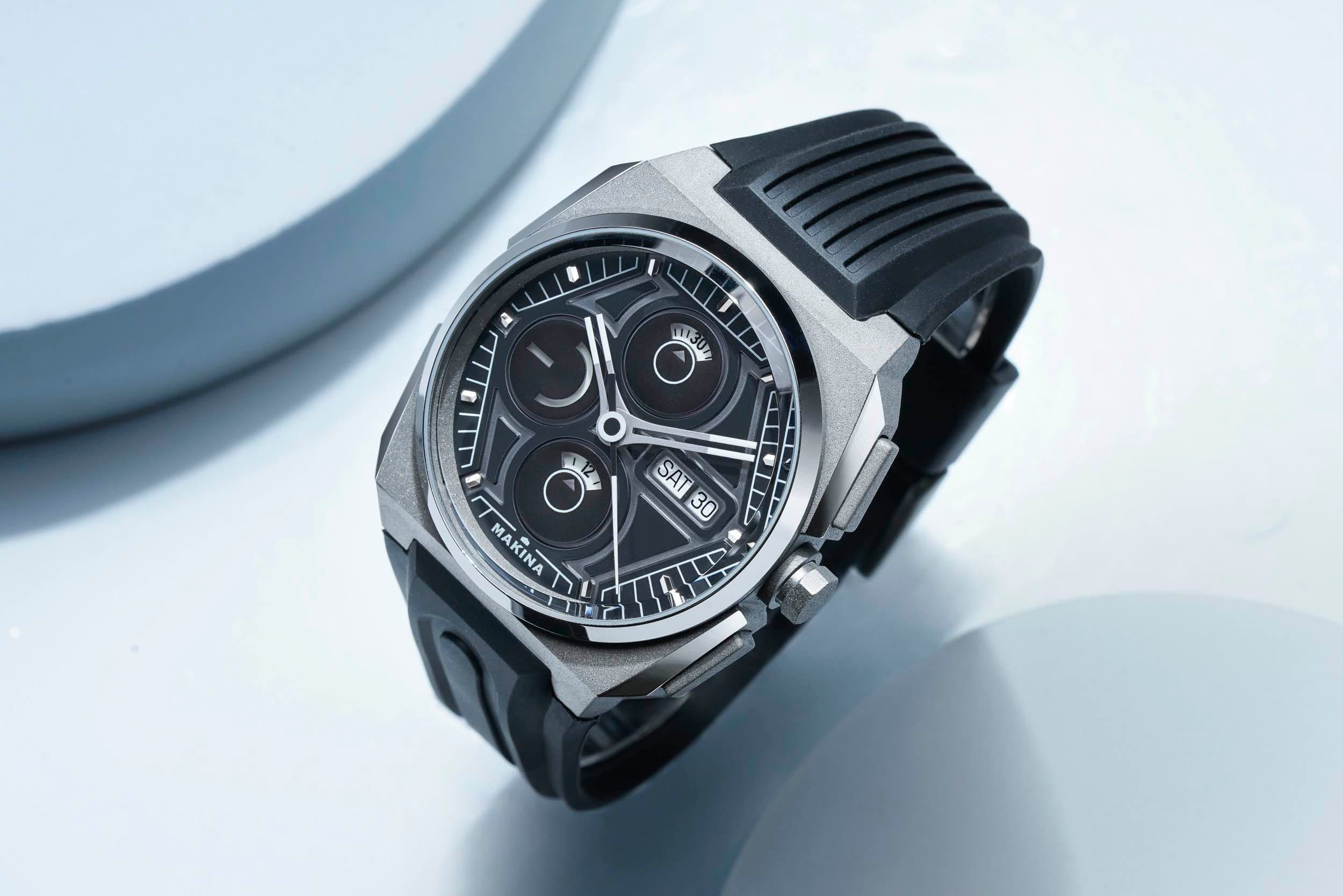
Makina's Cassiel II Shows a Brutalist Chronograph Can Feel Deliberate Instead of Costume-Like
June 12, 2026
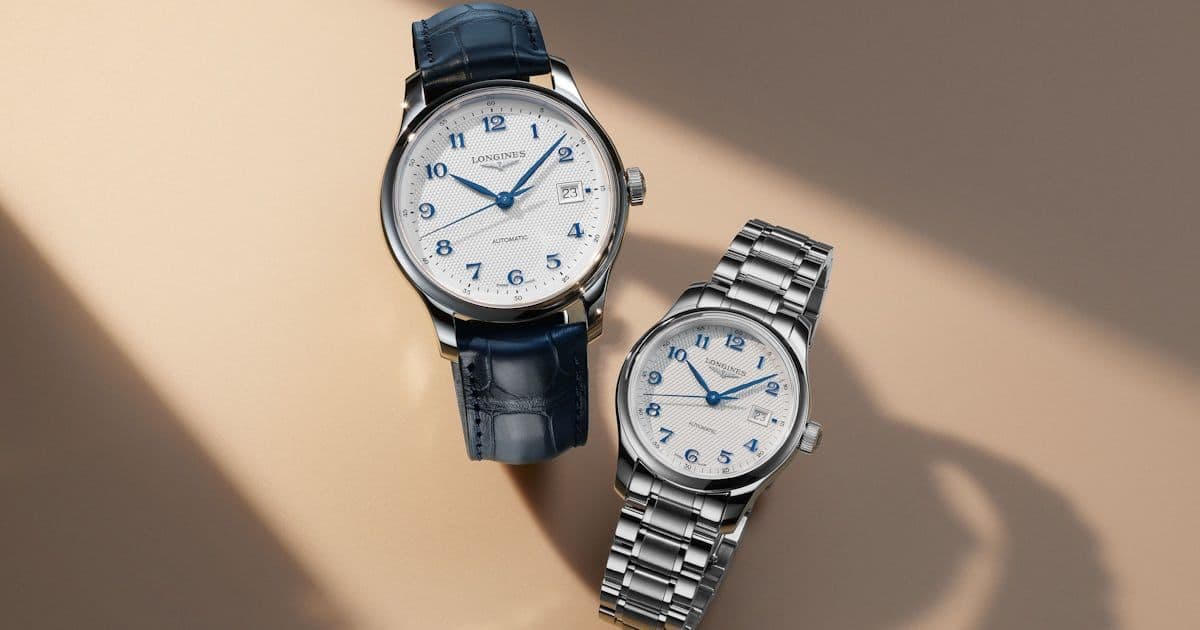
Longines' Master Collection Finally Feels Like a Complete Dress-Watch Platform Instead of a Single Safe Compromise

June 11, 2026
Blancpain's New Fifty Fathoms Tech Makes a Specialist Diver Easier to Defend
About the author